The 6th International Forum on Big Data for Sustainable Development (FBAS 2026) has successfully concluded in Beijing after a three-day intensive session. Combining high-level opening dialogues, in-depth thematic discussions and landmark closing outcomes, the forum culminated in the official adoption of the influential Beijing Initiative on Digital Science and AI for Global Sustainable Development. Endorsed unanimously by global delegates, the 12-point action framework establishes a clear global roadmap to harness Big Data, Earth Observation and artificial intelligence for advancing the UN 2030 Agenda for Sustainable Development.
Launched on September 6, FBAS 2026 was hosted by the Chinese Academy of Sciences (CAS) and co-organized by the International Research Center of Big Data for Sustainable Development Goals (CBAS) and the Aerospace Information Research Institute (AIRCAS). Marking the fifth anniversary of CBAS’ establishment, the forum was themed “Inheriting the Future: Innovations in Digital Intelligence for Global Sustainable Development”. It assembled nearly 700 participants from 50 countries and 19 international organizations, with strong support from multiple UN agencies and prestigious global academic institutions.
Guo Huadong, Forum Chairman and Director-General of CBAS, delivered the keynote report at the opening session. He systematically reviewed CBAS’ five-year progress in building SDG data product systems, optimizing monitoring and assessment methodologies, developing global think tank platforms, and conducting capacity building for African and small island developing states. Guo also introduced the CBAS-initiated Digital Sustainable Development Science Programme (DSP), which has built a global cooperative network covering 59 institutions across 35 countries to promote integrated Earth big data and AI applications for sustainable development.
Distinguished global leaders and international dignitaries delivered opening remarks, offering authoritative insights into global digital sustainable development. Csaba Korosi, Former President of the 77th UN General Assembly, acknowledged China’s pivotal role in leading global sustainable transformation and urged enhanced scientific cooperation to tackle fragmented international collaboration. Ameenah Gurib-Fakim, Former President of Mauritius, commended CBAS’ data products for effectively addressing the development bottlenecks of small island economies and bridging the North-South development gap. Quarraisha Abdool Karim, President of The World Academy of Sciences, noted that CBAS’ full-chain technological system enables developing countries to translate scientific achievements into practical governance outcomes. Ibrahim Thiaw, Former UN Under-Secretary-General, emphasized that digital technologies should move beyond basic data collection to support cause analysis, risk early warning and targeted problem-solving for vulnerable groups. Chen Chengchuan, President of the World Federation of Engineering Organizations, highlighted CBAS’ digital engineering system as a benchmark for narrowing global digital and technological divides.
Following three days of in-depth academic exchanges and multi-dimensional thematic discussions, FBAS 2026 officially closed with the release of the landmark Beijing Initiative on Digital Science and AI for Global Sustainable Development. Unveiled by Csaba Korosi, Chair of the FBAS 2026 Scientific Committee and CBAS Fellow, the new initiative inherits and upgrades the cooperation framework of the 2024 Beijing Declaration on digital technology cooperation. It sets out five core dimensions and 12 actionable priorities, calling for joint efforts from governments, UN agencies, research institutions and global stakeholders to advance open, inclusive, science-driven global sustainable development.
Beyond the milestone Beijing Initiative, FBAS 2026 delivered a series of substantial and diversified outcomes. The forum organized 8 keynote sessions, 4 special sessions and 32 parallel sub-forums, covering key fields including global digital sustainable partnership building, AI-enabled sustainable technology innovation roadmaps, Earth observation for water security, and youth empowerment in digital sustainable actions. Two authoritative monographs focusing on big data-driven SDG monitoring, assessment and typical regional application cases were officially launched, providing standardized, replicable methodological systems and practical global references for sustainable development practices.
The forum also held the 2026 CBAS Fellow Investiture Ceremony, honoring three outstanding international scholars for their remarkable contributions to sustainable development big data research and technological innovation. To date, 19 top experts from global leading research institutions and international organizations have been conferred the CBAS Fellow title, forming a high-end global talent network to support international scientific and technological cooperation for sustainable development.
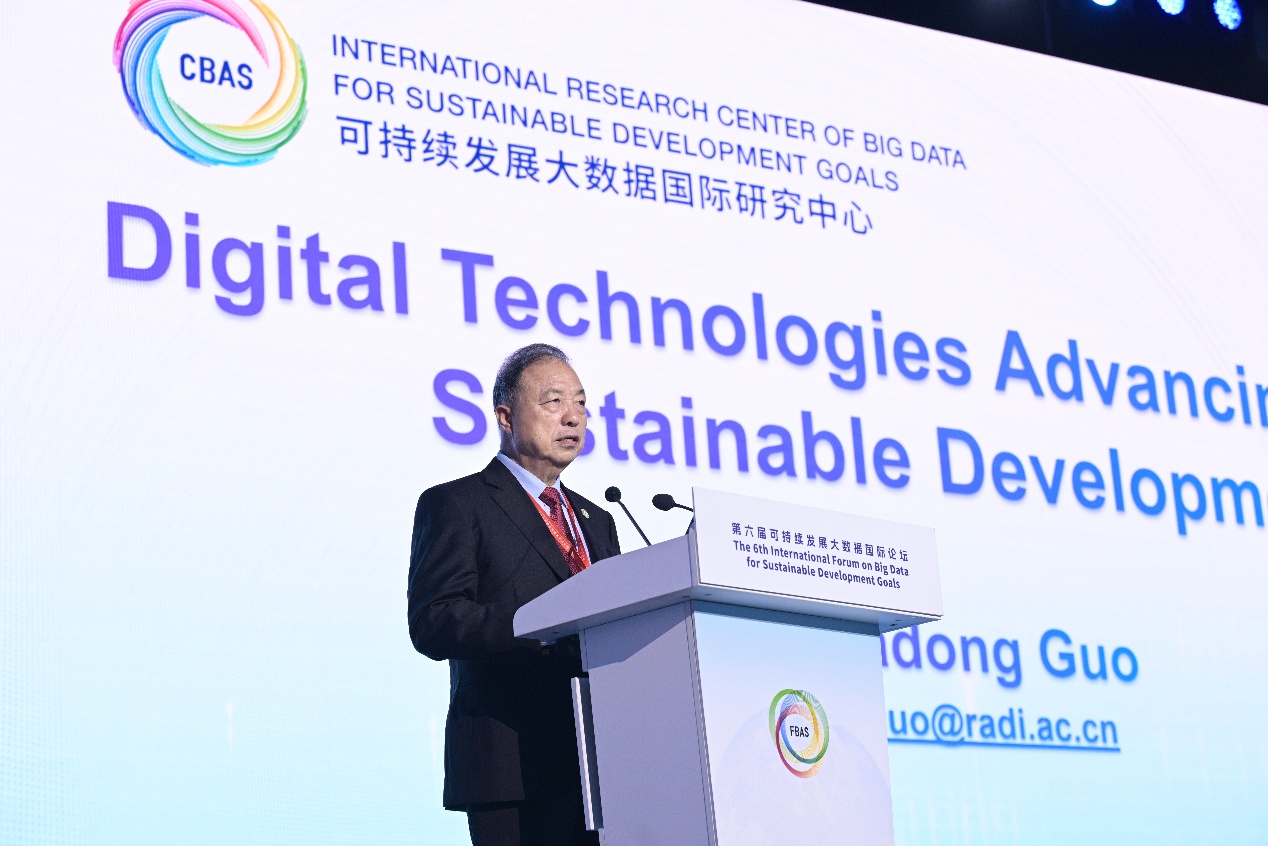
Guo Huadong delivering the keynote speech "Digital Technologies Advancing Global Sustainable Development
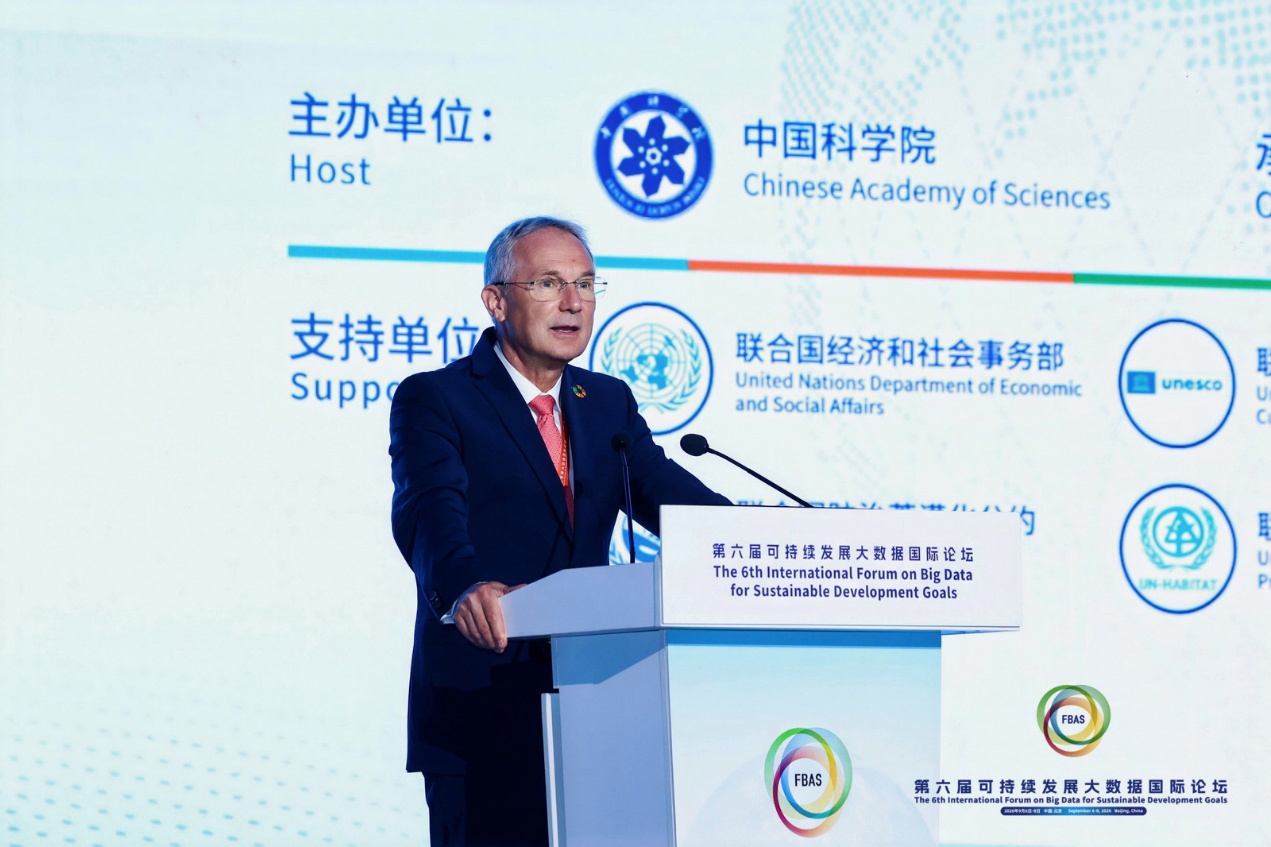
Csaba Korosi, President of the 77th Session of United Nations General Assembly, CBAS Fellow sharing remarks
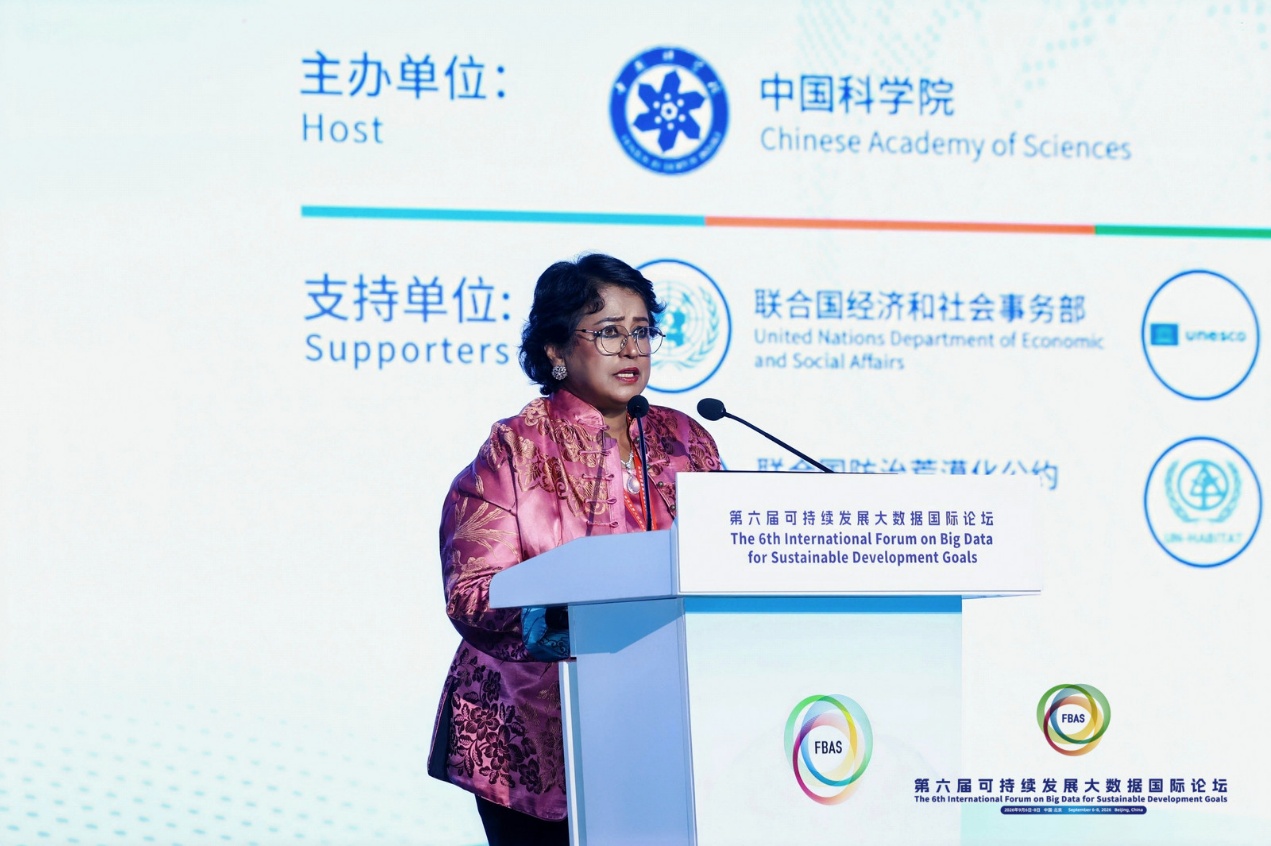
Ameenah Gurib-Fakim, President of the Republic of Mauritius (2015-2018), CBAS Fellow sharing remarks
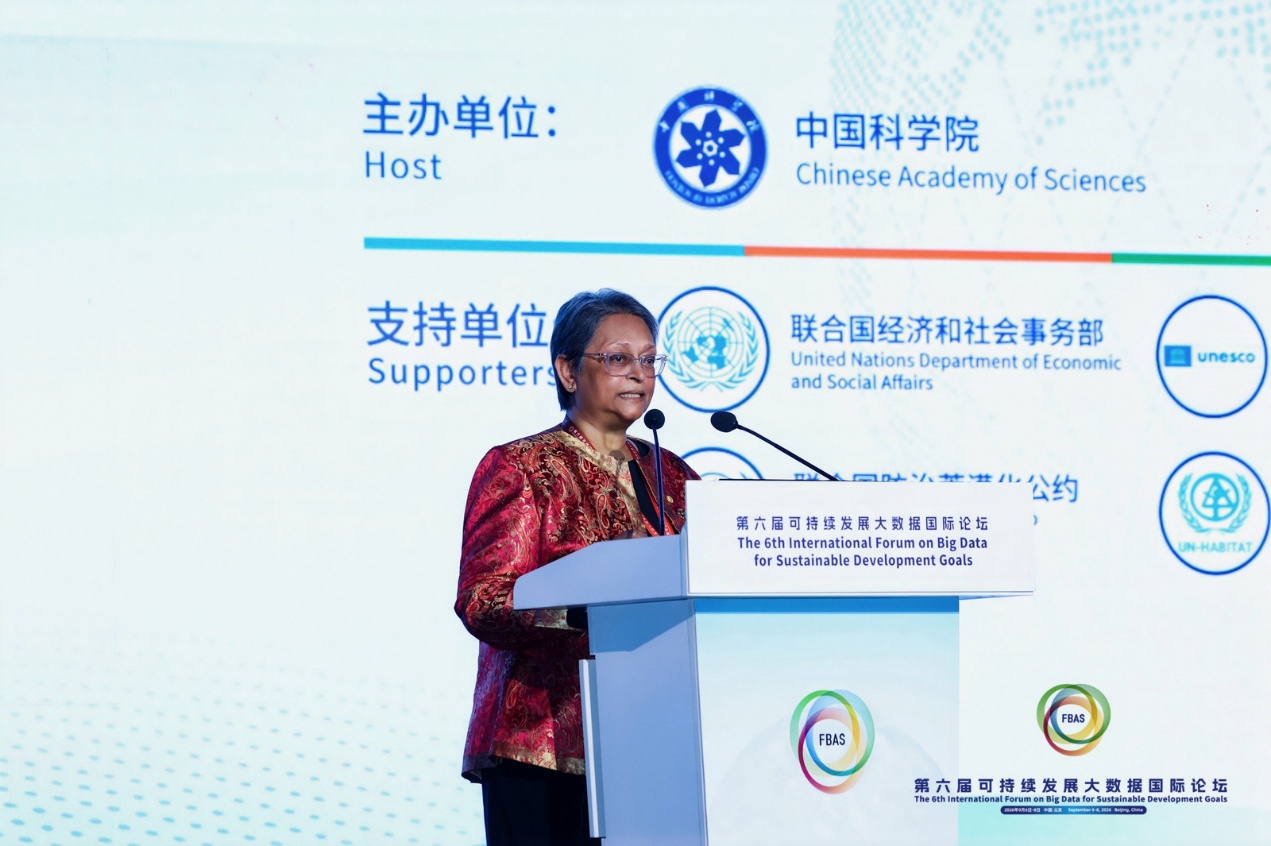
Quarraisha Abdool Karim, President of the World Academy of Sciences, CBAS Fellow sharing remarks
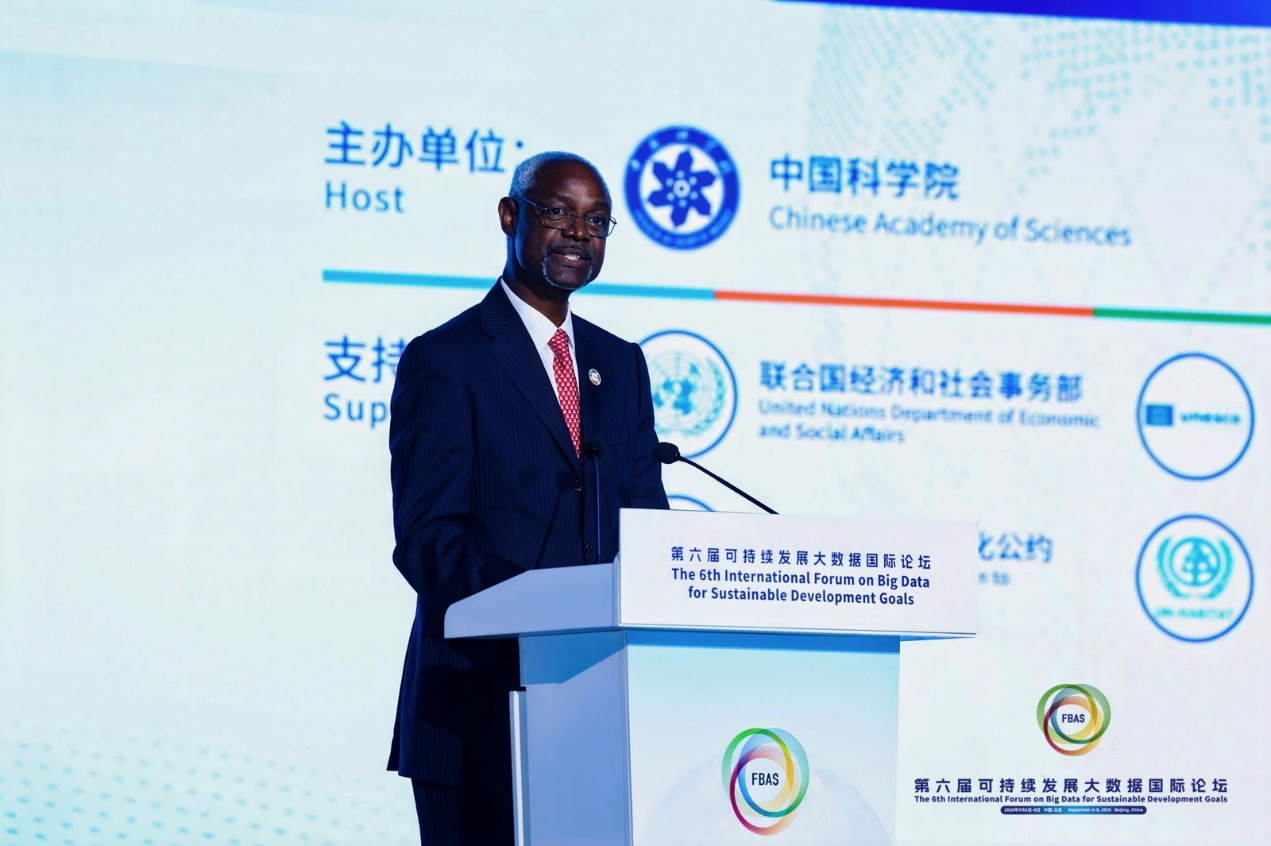
Ibrahim Thiaw, Former Under-Secretary-General of the United Nations, CBAS Fellow sharing remarks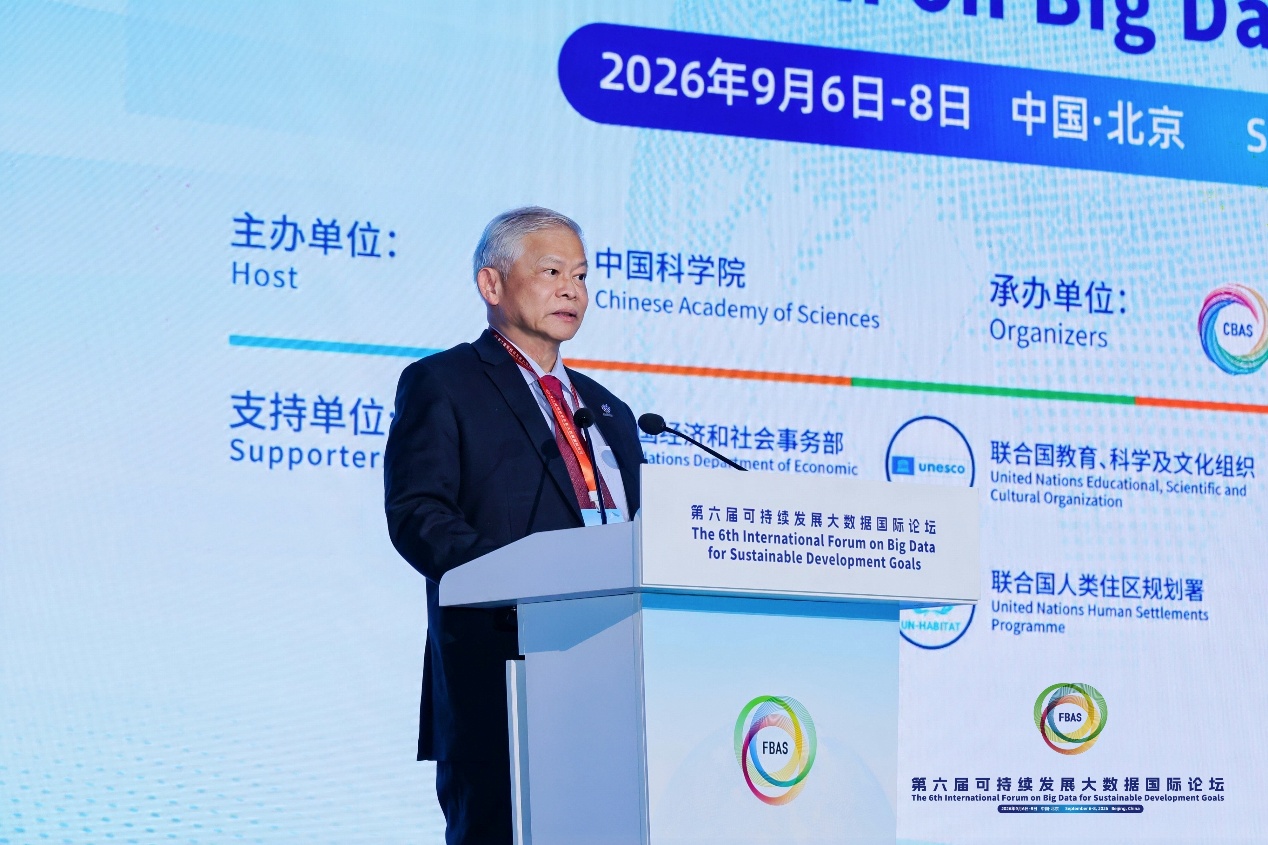
Seng Chuan Tan, President of the World Federation of Engineering Organizations, sharing remarks
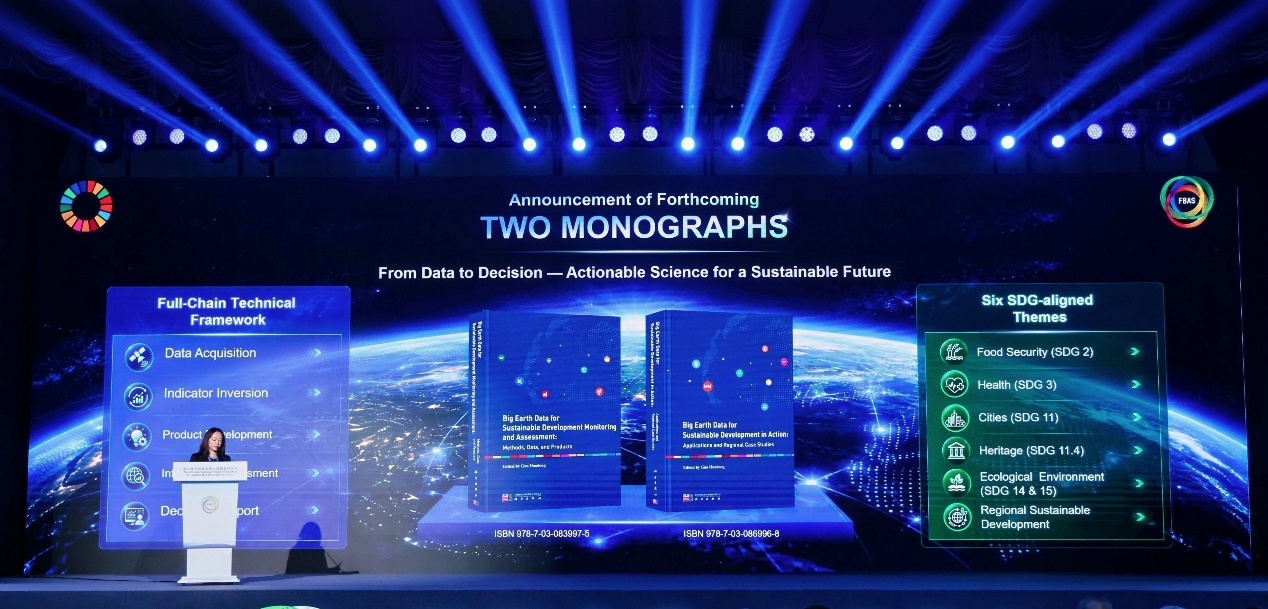
Big Earth Data for Sustainable Development: Methodological Innovation and Practical Breakthroughs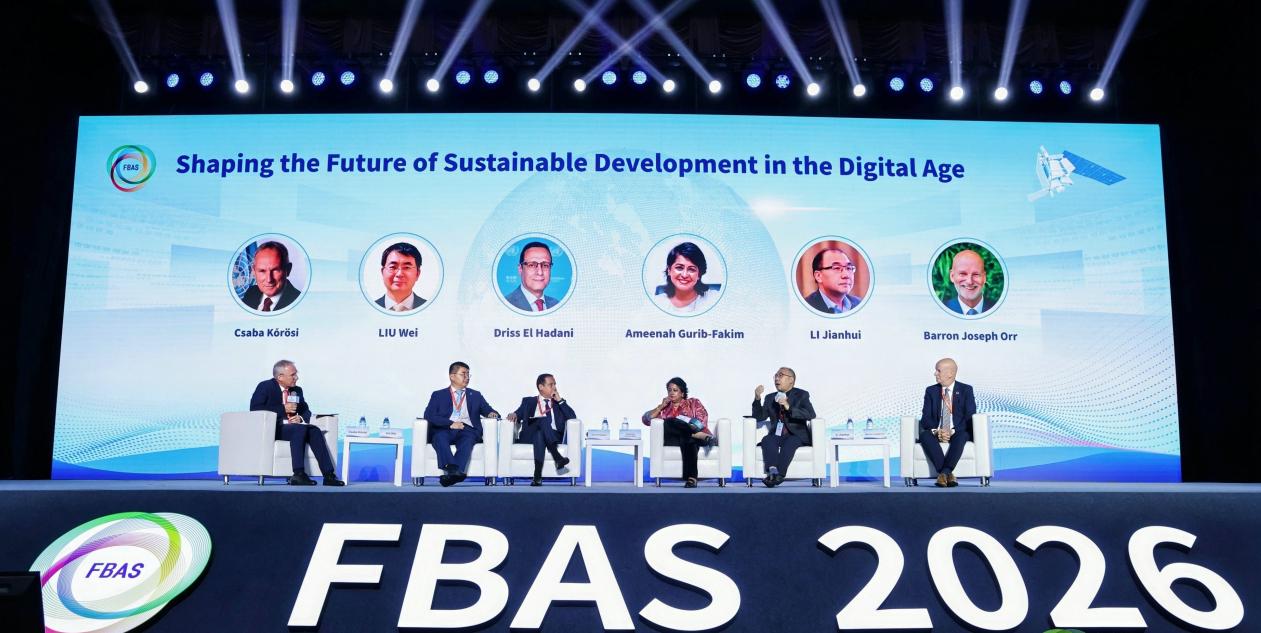
High-Level Panel Discussion: Shaping the Future of Sustainable Development in the Digital Age
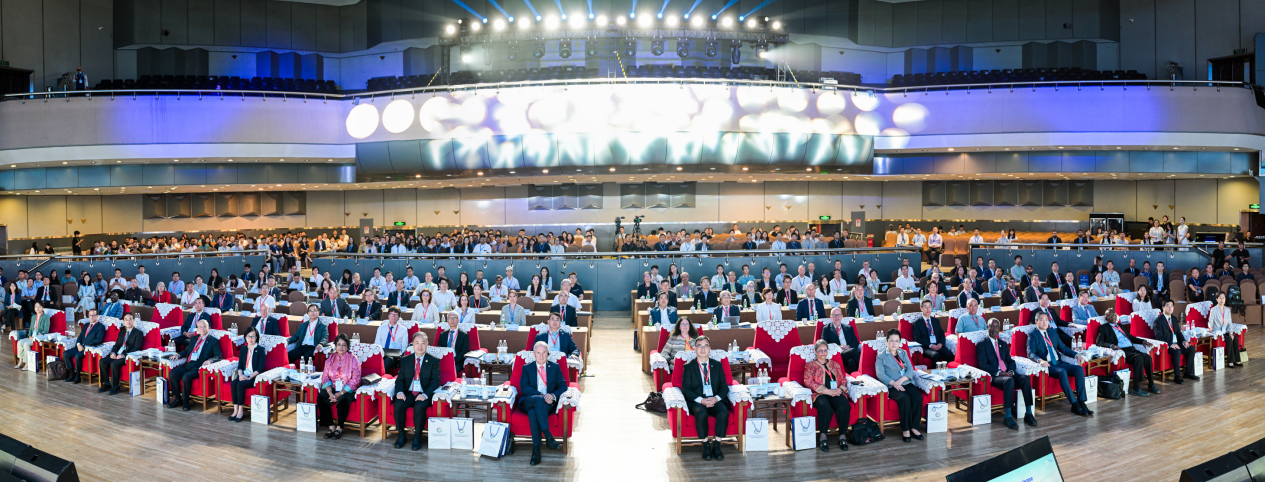
FBAS 2026 Opening Ceremony
Beijing Initiative on Digital Science and AI for Global Sustainable Development